
Plant Medicines
Explore the unique story of cacao, blue lotus, and sassafras, and the traditions, intentions, and practices that surround it.
Cacao - The Heart Opener
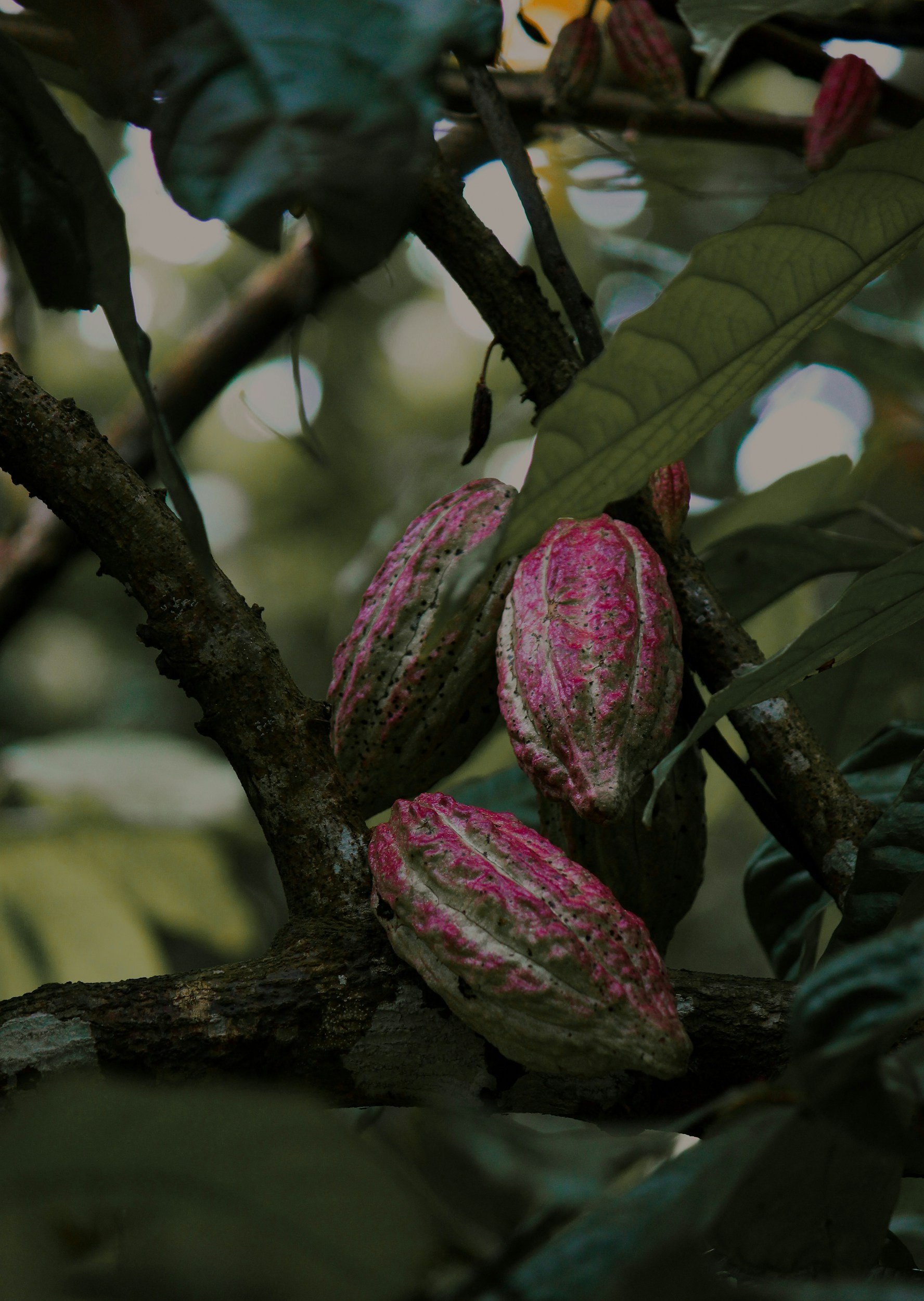
That experience changed my relationship with cacao. It connected the cup I hold in ceremony back to the tree, the fruit, the Earth, and all of the hands involved in bringing the medicine to us. In my relationship with the medicine family, I know her as Mama Cacao: the Heart Opener. Her energy feels warm, safe, loving and maternal to me. I don't experience her as something that forces the heart open. Instead, she creates a space where we can listen to it.
In ceremony, I invite you to hold your cup, connect with the medicine, and place your own intentions into it before you drink. There is nothing you are required to believe and no particular experience you are supposed to have. Simply notice what comes. For me, Mama Cacao carries a simple remembrance: beneath everything we have experienced and all the ways we have learned to protect ourselves, the heart still remembers how to love.
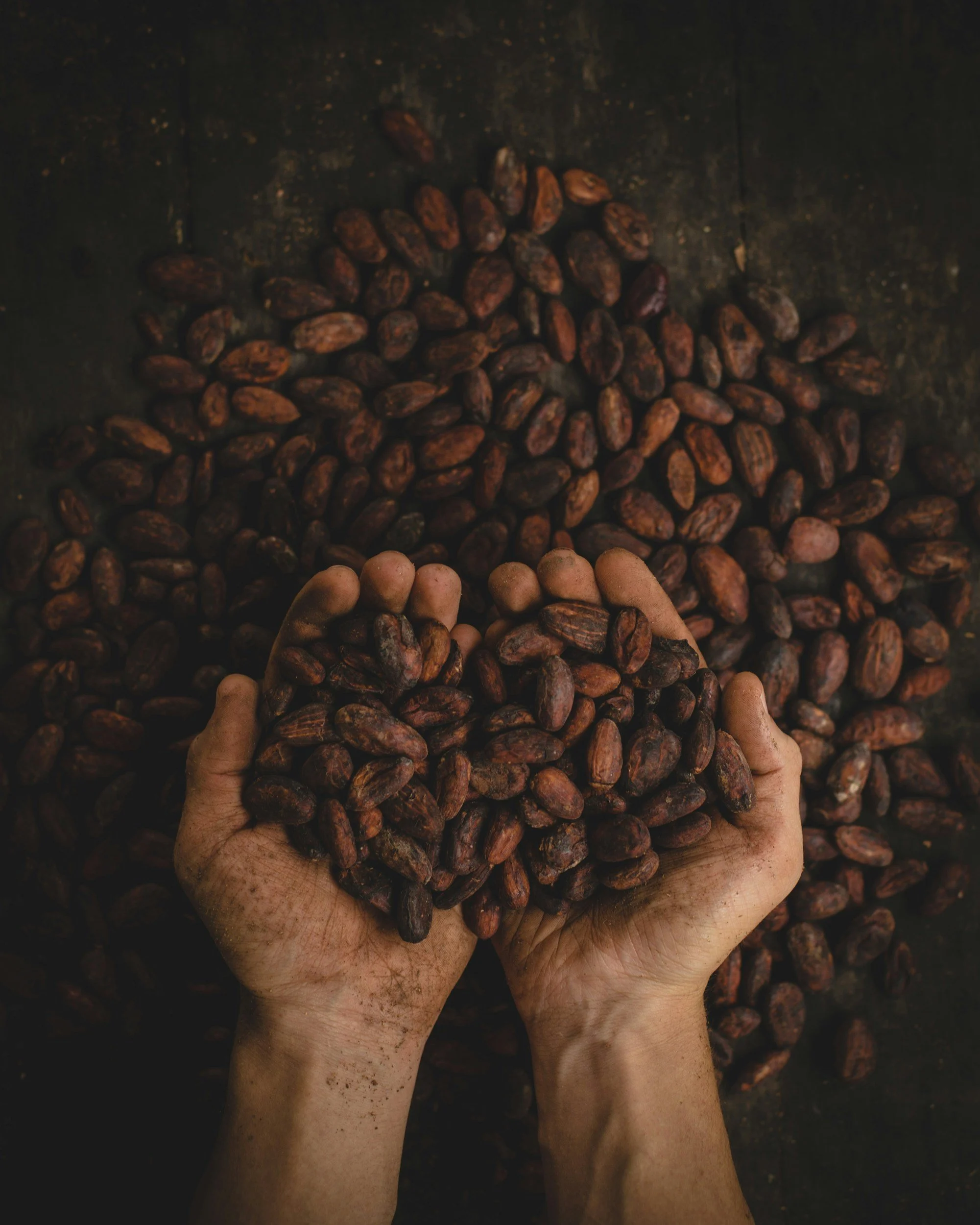
Cacao comes from Theobroma cacao, a tree whose fruit has been cultivated and treasured in the Americas for thousands of years. Cacao and chocolate begin with the same plant, but the cacao we work with in ceremony is very different from the sweetened chocolate most of us know. Pure cacao paste is made by grinding the cacao bean while retaining both its cacao solids and its natural cacao butter. There is something beautifully simple about it: before all the other things we associate with chocolate are added, there is cacao.
In January of 2026, I had the opportunity to experience cacao much closer to its source on a small cacao farm near Villahermosa, Mexico. The farm itself wasn't at all like the neat rows of trees we might picture when we think of an orchard. The cacao trees grew among the other trees of the forest, as part of a living ecosystem. We picked up cacao pods that had been placed on the ground for us and broke them open ourselves. Inside were the beans surrounded by a soft white fruit. We tasted the fruit first, then the raw cacao bean inside. Later, we shelled roasted beans by hand and fed them through a hand-cranked grinder, watching them slowly transform into thick, pure cacao paste—and then we tasted that too. We also toured the small factory where the farm turns its cacao into the cacao and chocolate products they produce.
Blue Lotus - The Dreamer
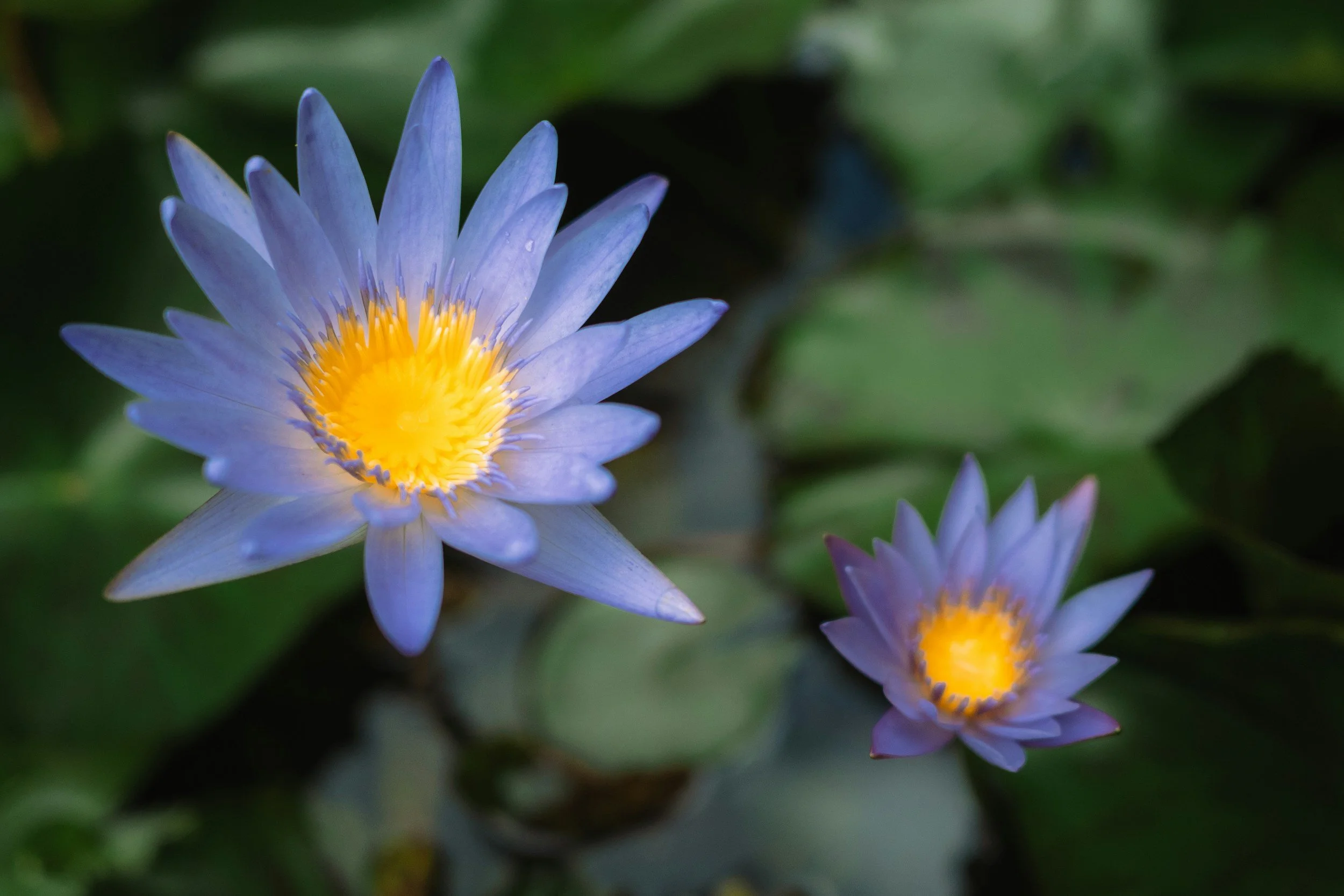
Blue Lotus (Nymphaea caerulea), also known as the Egyptian blue water lily, has been connected with human ritual and symbolism for thousands of years. It appears again and again in ancient Egyptian art and sacred objects, where its daily rhythm, closing at night and opening again with the morning sun, made it a powerful symbol of creation, regeneration and rebirth. Ancient imagery also places the flower in celebratory settings, and historical scholarship suggests it may have been valued for more than its beauty and fragrance.
The form of Blue Lotus I work with is a concentrated resin. It takes an extraordinary amount of plant material to create a very small amount of concentrated Blue Lotus extract: a beautiful reminder that what looks like just a little bit of medicine can hold the essence of many flowers. In ceremony, I blend the resin into watermelon juice and invite participants to experience Blue Lotus as the Dreamer: soft, receptive and inward-facing.
For me, she invites us to quiet the outside world, soften the thinking mind and become curious about the images, feelings and inner knowing that may be waiting beneath the surface. There is nothing you are required to see or experience. Simply notice what comes.
Sassafras - The Road Opener
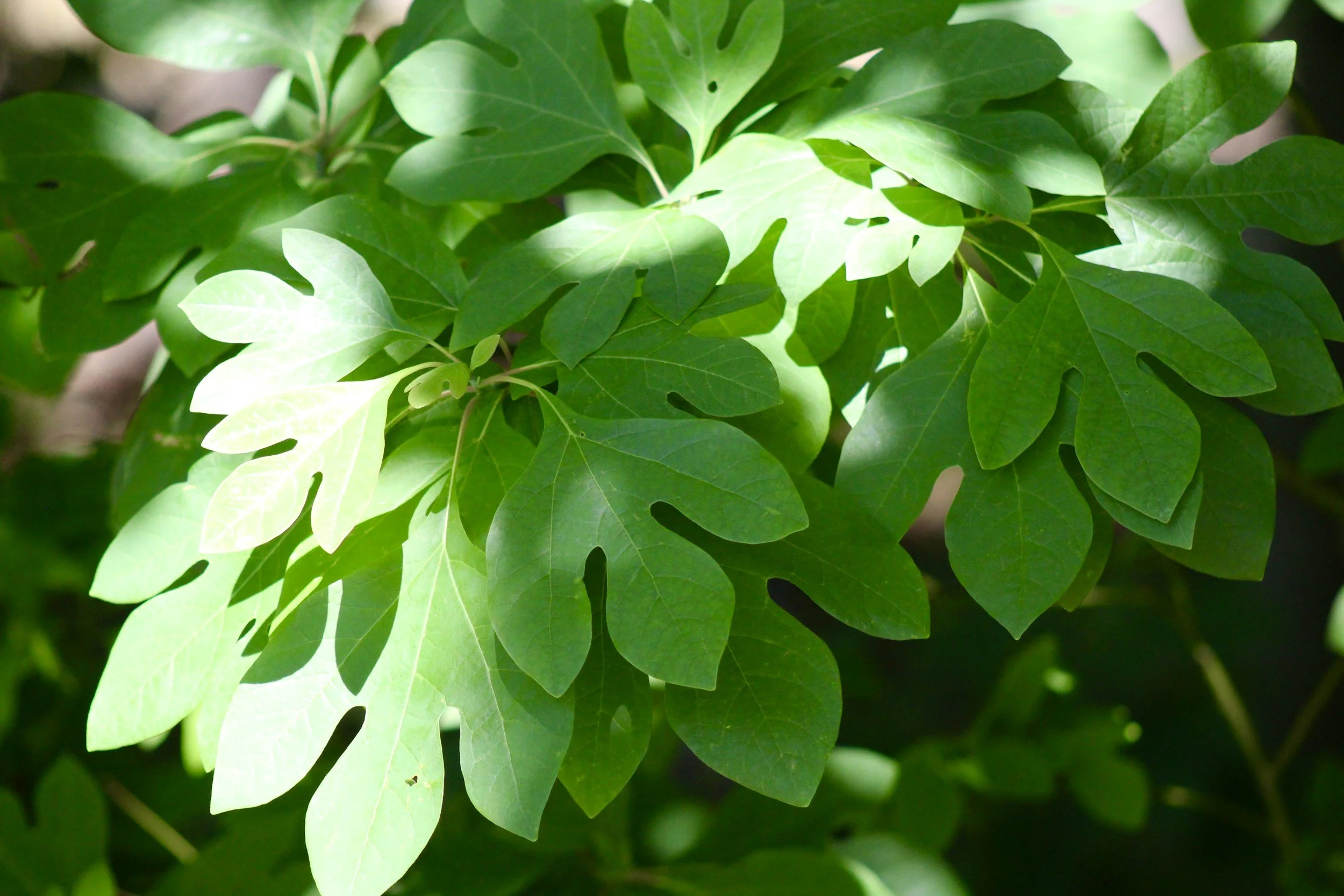
Sassafras (Sassafras albidum) is a tree native to eastern North America with a long relationship with human beings. Indigenous peoples worked with different parts of sassafras long before European colonization, after which the fragrant root and bark (it is the original source of root beer and that's exactly what it smells like!) became highly sought-after commodities. Native tribes used sassafras ceremonially for spring cleaning and it was known as a road opener for is ability to clear density.
Today, sassafras preparations can vary considerably, so the medicine used in our ceremonies is intentionally prepared and offered in a specific form rather than simply using ordinary sassafras root. In ceremony, the sassafras preparation I work with is served as a tea.
My own relationship with this medicine is deeply connected to embodiment. Sassafras didn't take me away from myself: it brought me more completely into my body. In one of my most profound journeys with it, I encountered grief and sorrow that needed to be felt rather than escaped. Through that experience, I came to understand this medicine as an invitation to be present with what is here: to feel, to listen, and to allow the body to be part of the journey. Sometimes our path isn't upward or outward. Sometimes the medicine asks us to go down - into the Earth, into the body, into our humanity, and discover the road waiting for us there.